


Advise
We advise organizations, committees/coalitions, departments on the development, implementation, and evaluation of health equity strategies.
Strategy, measurement, and evaluation partnerships led by Dr. Reginald Tucker-Seeley — a national expert in health equity and the social determinants of health.
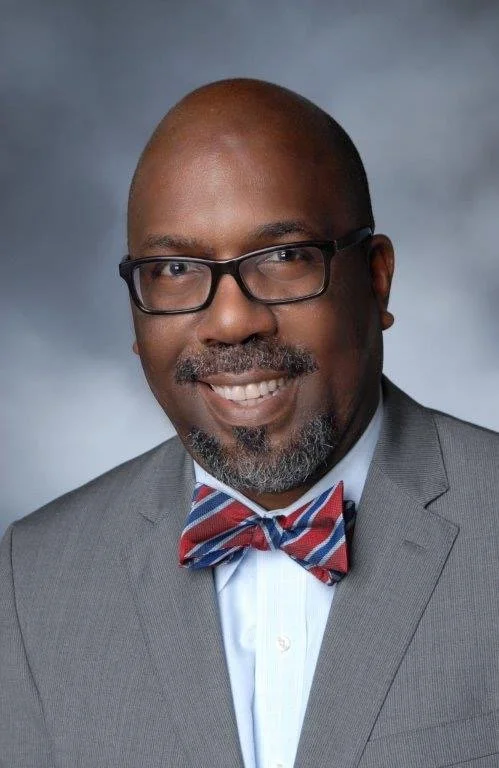
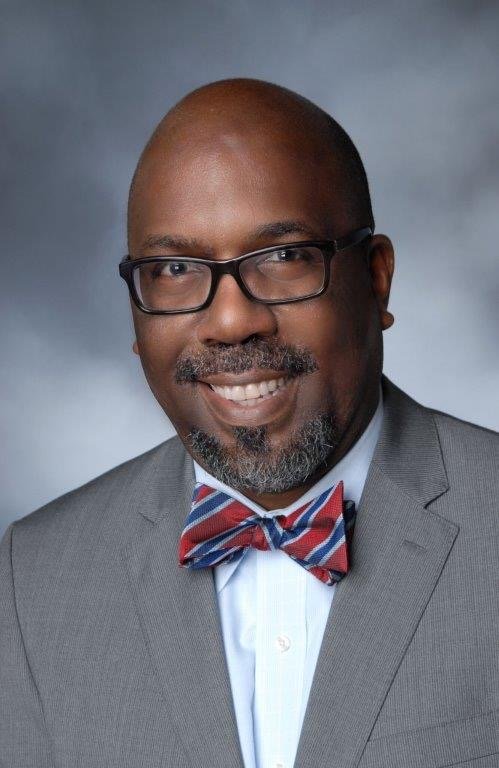
The Principal
Dr. Reginald Tucker-Seeley is the principal and owner of Health Equity Strategies and Solutions and a national expert in health disparities, health equity, and the social determinants of health — with a specific focus on financial hardship and cancer. He has published 50+ peer-reviewed manuscripts and built tools with community organizations to raise awareness about and report on health disparities. His background spans accounting, mental health, and public health across academia, government, and non-profit organizations.
Dr. Tucker-Seeley is eager to work with you as a thought-, development-, implementation- and evaluation-partner on grants and in project/programs focused on the social determinants of health, health disparities measurement, and health equity strategy.
Learn moreMission & Values
The mission of Health Equity Strategies and Solutions is to help health related organizations, departments, and coalitions/committees to move past merely describing socio-demographic differences in health and to begin developing, implementing, and evaluating health disparities elimination strategies in order to achieve health equity for all, with an explicit focus on historically marginalized populations.
The core values of Health Equity Strategies and Solutions are:
What we do
We support the development, implementation, and evaluation of evidence-informed strategies to eliminate health disparities and achieve health equity goals — for healthcare organizations and systems, comprehensive cancer centers, health insurance plans, and local committees and coalitions. Specifically, we…
We advise organizations, committees/coalitions, departments on the development, implementation, and evaluation of health equity strategies.
We help our clients identify specific social drivers of health (e.g., financial hardship) and health outcomes to focus on and develop strategies for measuring health disparities.
We help our clients develop strategies for intervening on health disparities and to develop a strategy for determining success.
The Framework
Based on my past experiences teaching courses at the Harvard T.H. Chan School of Public Health and the Leonard Davis School of Gerontology at the University of Southern California and my experience partnering with community organizations and coalitions in Rhode Island, Massachusetts, and Los Angeles, I developed a framework for organizations, departments, and coalitions/committees to move past merely describing socio-demographic differences in health and to begin developing, implementing, and evaluating health disparities elimination strategies in order to achieve health equity.
Read more
National voice
We engage in local, state, and national partnerships.
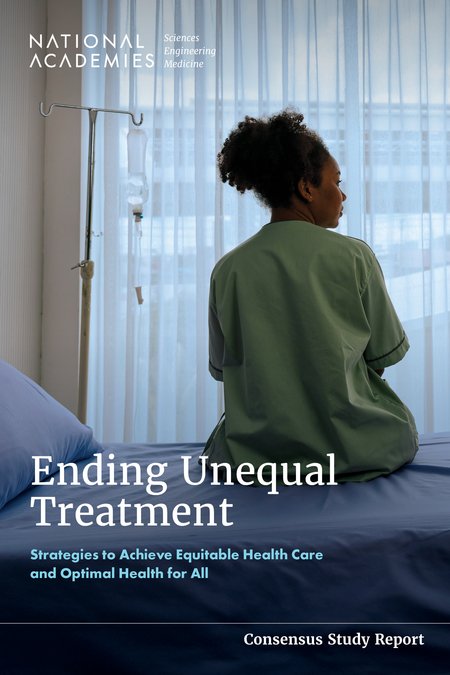
Dr. Tucker Seeley served on an ad hoc committee of the National Academies of Sciences, Engineering, and Medicine to examine the current state of racial and ethnic healthcare disparities in the U.S.
Learn more →
Listen to this podcast with Dr. Tucker-Seeley as he reflects on his time as an RWJF Health Policy Fellow working in the United States Senate.
Learn more →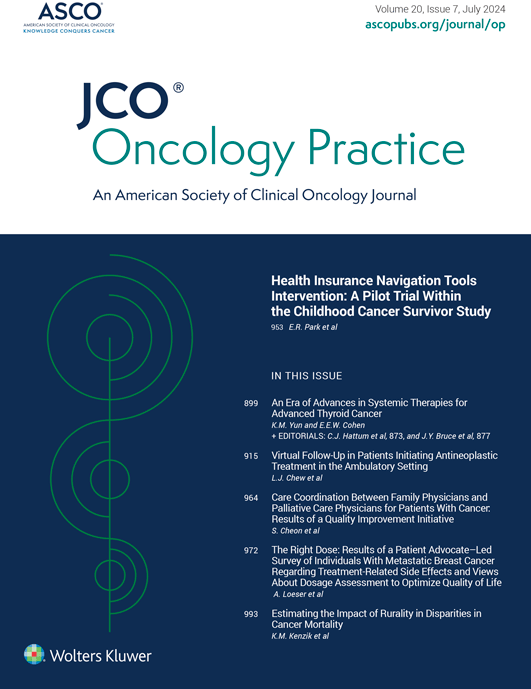
As chair of the SDOH Task Force at ASCO, Dr. Tucker-Seeley led the development of the Social Determinants of Health and Cancer Care: An ASCO Policy Statement published in JCO Oncology Practice (Feb 2024).
Learn more →
"Ultimately, we can't expect the health care system to address all the social needs underlying many cancer disparities and must strengthen our overall social safety net to ensure that navigating our healthcare system generally and our cancer care delivery system specifically is not financially ruinous to the household"
Funded work
A sample of foundation- and institute-funded partnerships across the country.
California Health Care Foundation
Health Equity Strategies and Solutions is partnering with Physicians for a Healthy California to conduct a landscape analysis of the roles, responsibilities, priorities, and experiences of chief health equity officers across the healthcare delivery system in California. We will use mixed methods (a quantitative survey and structured interviews) to determine the best practices among CHEOs, frameworks for implementation and evaluation, and barriers to achieving health equity in the healthcare delivery system. The results from this project will establish a foundation for future recommendations for institutions and individuals seeking to improve health equity efforts through these roles.
More information →Robert Wood Johnson Foundation
Project Description: Health Equity Strategies and Solutions is partnering with The Empowerment Network and Washington University in St. Louis to create a Learning Community (LC) of Black male prostate cancer (PCa) patients, PCa care providers (primary and specialty), and healthcare system administrators to articulate the characteristics of an equitable cancer care delivery system; and to identify tools that eliminate barriers/facilitate PCa care equity for Black men as they navigate the healthcare/cancer care delivery system. The Learning Community (LC) will identify pathways for dissemination of best practices to facilitate healthcare delivery system change to address structural racism and create equity in prostate cancer (PCa) care in St. Louis and nationally. The ongoing relationship amongst the LC members will strengthen the ability to integrate multiple stakeholder perspectives into current and future initiatives where the needs and voice of Black men can be centered.
More information →National Cancer Institute
Research on health disparities has moved from describing disparate health outcomes across socioeconomic categories toward attempts to eliminate such disparities. Yet, it remains unclear exactly what aspects of material conditions are linked to specific health outcomes. The purpose of the Money-Health Connection study is to develop a trans-disciplinary definition of financial well-being (FWB) and to develop an assessment tool to measure this construct. Money-Health Connection proposes to expand our conceptualization of socioeconomic status beyond the conventional measures of education, occupation, and income to include material, psychosocial, and behavioral aspects of individual socioeconomic circumstances to help elucidate the pathways between socioeconomic circumstances and cancer risk-related behaviors such as physical inactivity and smoking.
More information →The goal of the dashboard is to summarize data on the quality of life for older adults across Los Angeles County, and to create an accessible and efficient data visualization tool. The dashboard also provides data to support community members in applying for their respective grants and creating innovative programs aimed to improve the lives of older adults in LA County. The data source for the dashboard is the 2015 and 2018 Los Angeles County Health Survey. This dashboard includes 10 key indicators, but clearly, there are many other indicators that contribute to older adult health outcomes.
More information →








Get in touch
Let's work together to move beyond merely talking about health disparities to actually eliminating them and achieving health equity for all. Please complete the form below and Dr. Tucker-Seeley will be in touch with you shortly.